td;dr
Growth Hacking isn’t just a startup buzzword, it’s a mindset of aggressive efficiency. By swapping massive ad budgets for creative data-loops and relentless A/B testing, CROLabs helps you find the “shortcuts” to exponential growth.
Growth Hacking & CRO: Why Guessing is the Most Expensive Mistake You Can Make
I have been thinking a lot about why some brands explode while others with huge budgets just stall. Usually, the difference is not the size of the team. It is the mindset.
Growth hacking is a term that often gets misunderstood. People think it is about “tricks” or “shortcuts.” In reality, it is a survival instinct.
Back in 2010, Sean Ellis coined the term for startups that needed to grow fast without the luxury of big marketing budgets. He saw that traditional advertising was too slow and too expensive for companies like Dropbox or Eventbrite.
At CROLabs, we have taken that energy and combined it with modern Conversion Rate Optimization. The goal is simple: find the highest possible growth with the lowest possible capital.
It is about effectiveness, not just being cheap
There is a central rule we follow at CROLabs. It is better to be effective than to be “correct.”
Traditional marketing often relies on gut feelings or brand manuals. Growth hacking trades those feelings for hard data. We look for trial and error.
If a hack works, we pour fuel on it. If it fails, we kill it immediately. No ego, just outcomes. This is why A/B testing is the heartbeat of our entire strategy. We do not care about being right; we care about finding what wins.
The Hall of Fame: Learning from the classics
You have probably interacted with famous growth hacks without even realizing it. These stories are the “origin myths” of our industry.
Take Hotmail. Back in 1996, they added a simple line to the end of every user email: “P.S. I love you. Get your free e-mail at Hotmail.” It turned every single user into a billboard. Microsoft bought them for 400 million dollars just a year later.
Airbnb did something even bolder. They built a tool that let their users post listings to Craigslist with one click. They effectively “borrowed” a giant audience to build their own empire.
Dropbox used a win-win strategy. They gave away free storage for referrals. Both the person who invited and the person who joined got extra space. They went from 100,000 to 4 million users in just 15 months.
At CROLabs, we look for those same levers in your conversion funnel. We ask ourselves where we can build growth directly into the experience.
Five methods to fuel your growth engine
We break the “hacking” process down into five core pillars.
1. Content as a conversion architect
Content is not just filler for a blog. It is the skeleton of your customer journey. You have total control over how you present your brand.
Look at mymuesli. They tell their story through text, icons, and video. It is simple and humorous. Or look at Vaude. They use podcasts to talk about sustainable production.
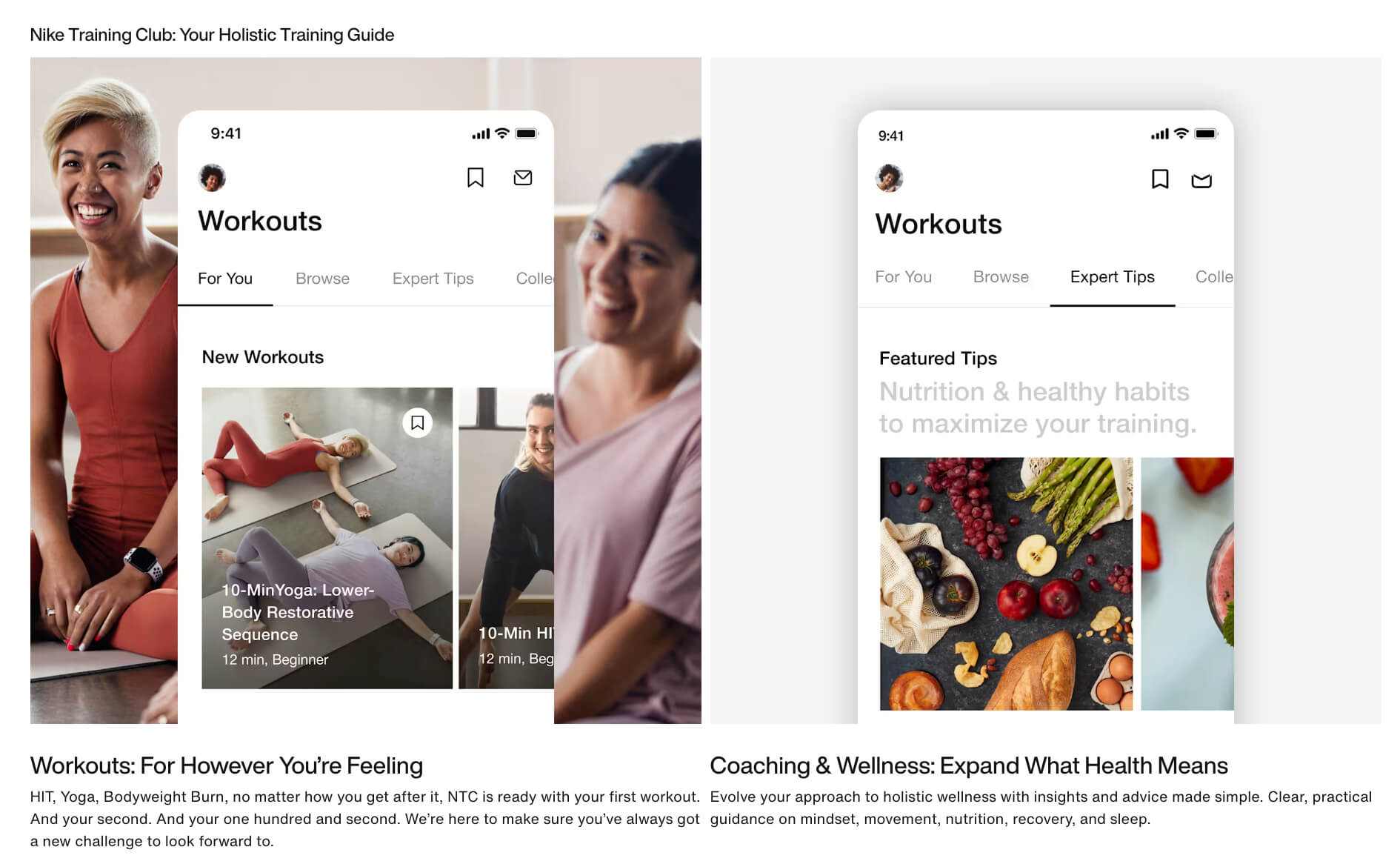
Nike takes it even further by offering free workout apps. They are not just selling shoes; they are selling a lifestyle. The cultural scientist in me loves the story, but the data enthusiast in me only cares if they clicked the button.
2. The power of social proof and recommendations
Your own content is important, but what others say is far more influential. We focus on integrating deep reviews.
Look at travel sites like weg.de. They do not just show stars. They show specific feedback about infrastructure or service. This reduces friction and speeds up the “Yes.”
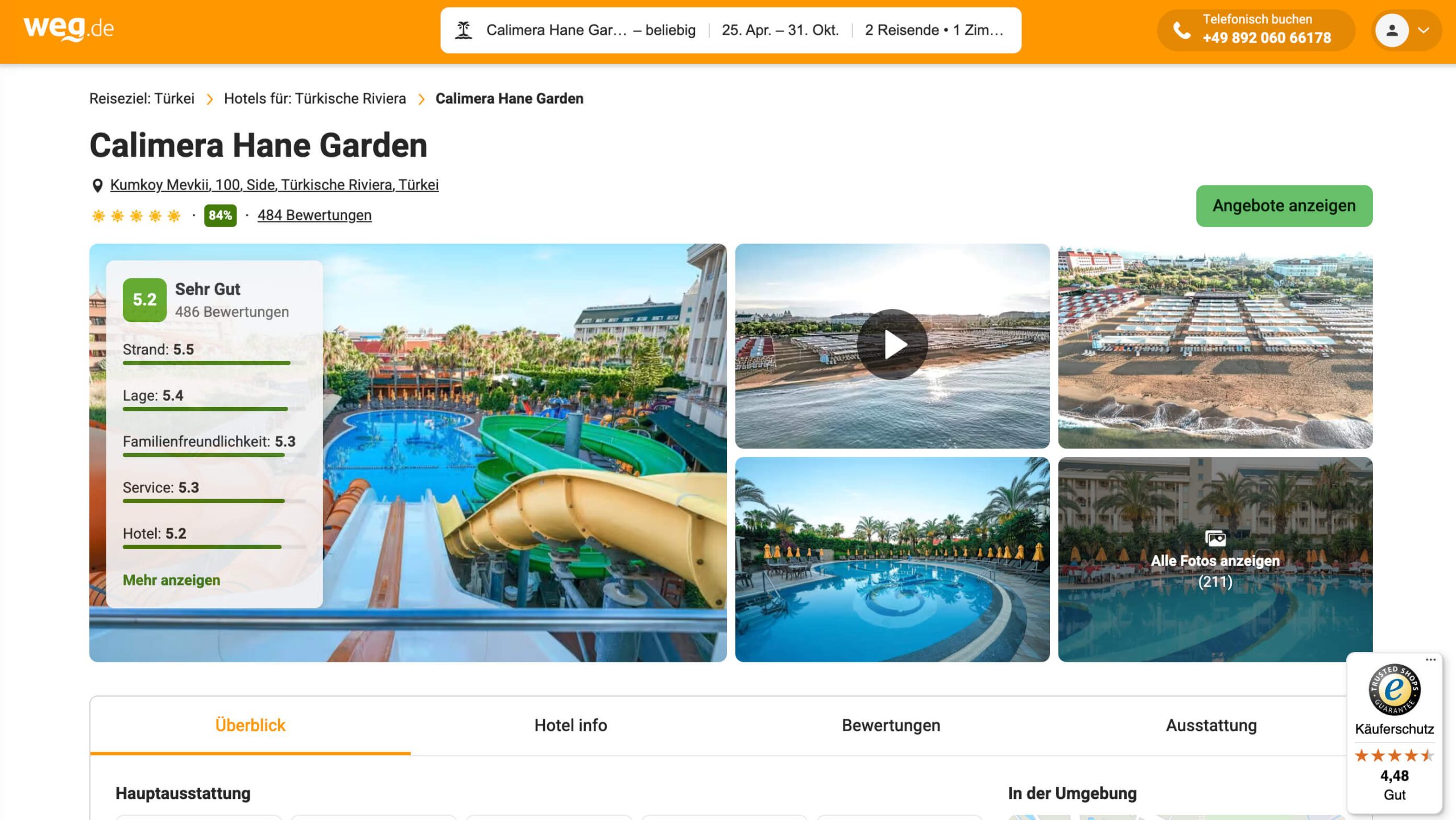
When people see that others have already taken the leap, they feel safe to follow. You should reward your customers for these recommendations with vouchers or exclusive perks.
3. Personalization: The low-hanging fruit
You do not need a supercomputer to start personalizing. Even greeting a user based on their local time or showing specific products based on the weather creates relevance.
IKEA does this well by celebrating the arrival of spring on their homepage. It feels emotional and right.
The next level is using “Buyer Personas.” If you know someone is a discount hunter, show them the “Sale” category immediately. If you match the experience to the user’s intent, you skyrocket the conversion rate.
Use CROLabs testing to optimize your website and create a better client experience.
4. Technical SEO and the intent game
Paying for every click is a losing game. Earning clicks through search is an investment that grows over time.
We focus on two things: relevance and speed. Use Meta-Titles and Rich Snippets to stand out in search results. Answer common questions directly on your page so Google can show them as “Direct Answers.”
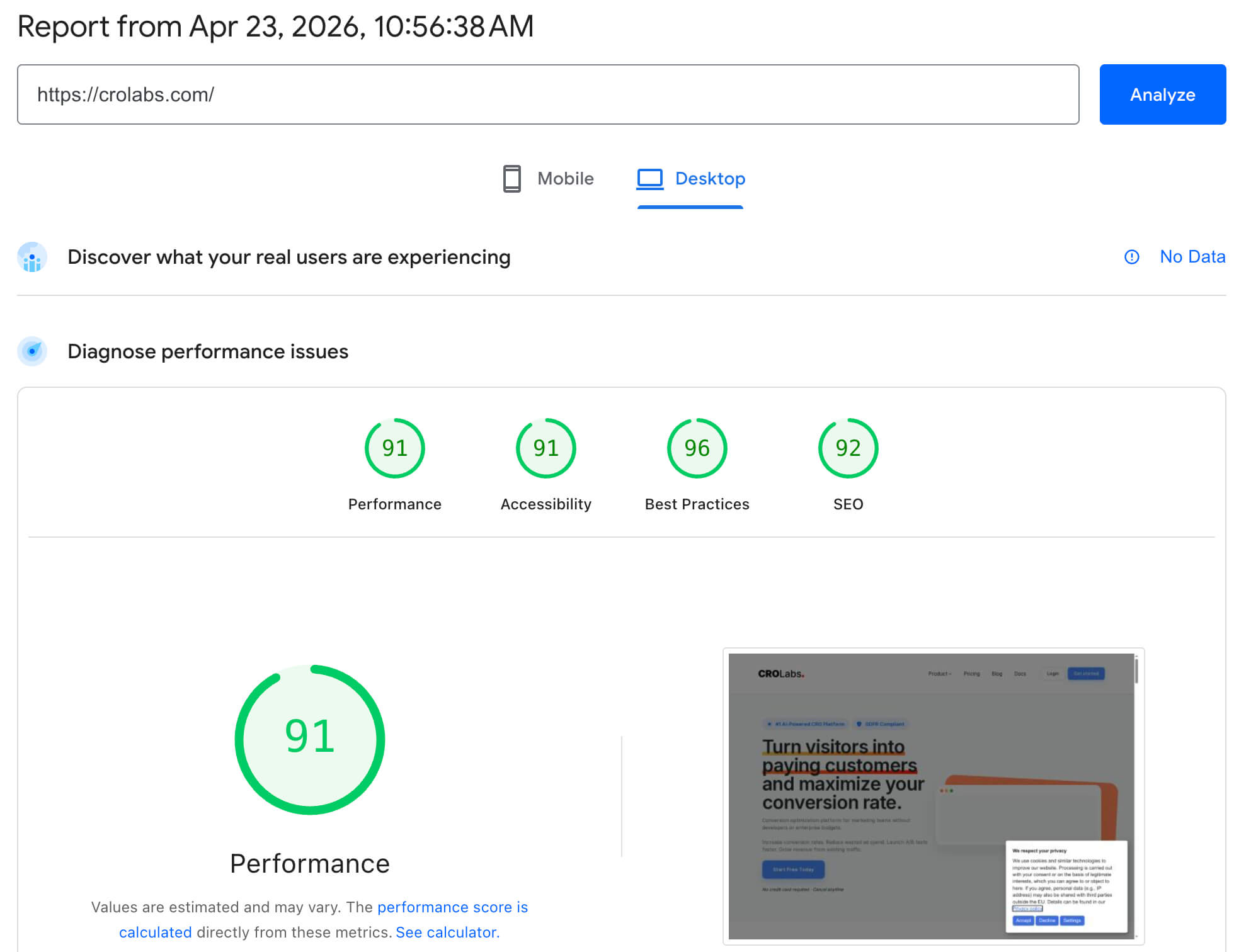
And remember: speed is a ranking factor. If your site takes five seconds to load, you have already lost. Lean code and fast servers are growth levers, not just IT projects.
5. The Super-Hack: Continuous A/B Testing
This is where the magic happens. You can have a thousand ideas, but without a test, you just have a thousand guesses.
A/B testing is the only way to measure change exactly. We compare two versions of a page and see which one performs better. Whether it is the color of a button or a headline, we let the users decide.
It is a process that never ends. There is always something to optimize.
The Growth Hacker’s Toolkit
To do this at scale, you need the right gear. Here is what we recommend at CROLabs:
- Google Analytics: The gold standard for measuring traffic and spotting trends.
- CROLabs Landing Page Analyzer: A great tool to check if your pages are actually persuasive.
- CROLabs Heatmaps: To see where people are actually clicking.
- Google Keyword Planner: Essential for finding out what your customers are actually searching for.
- Infogram: For creating beautiful charts that people actually want to share.
- Ubersuggest: A great starting point for SEO beginners to check backlinks and domain authority.
The Verdict: Growth hackers do not guess
Growth hacking is a systematic process. It is about listening to the data and having the courage to act on it.
The gap between companies that “try things out” and companies that “test everything” is becoming a canyon. At CROLabs, we build the tools to help you cross that canyon at light speed.
Are you still following a marketing plan from three years ago, or are you ready to start hacking your growth?timate hack—it’s the only way to prove that your “brilliant idea” actually moves the needle.
Are you still relying on your gut feeling, or are you ready to let the data lead the way?
Ready to find your next growth loop? Check out our Full A/B Testing Guide and let’s start hacking.