Reading time approx. 14 min | Updated on 16 November 2026 | First published on 16 November 2026
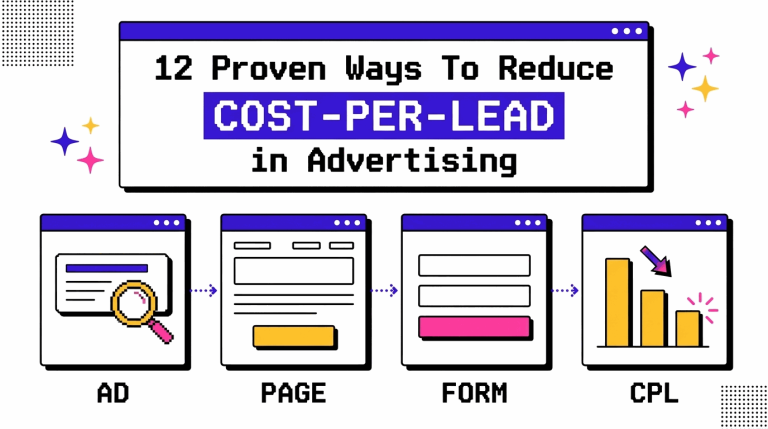
Every new lead comes at a cost, and when that cost keeps rising, your marketing budget has to work harder to deliver the same results. Reducing your cost-per-lead (CPL) starts with understanding where your money goes, which campaigns attract the right prospects, and what makes people take action.
Here are 12 practical ways to bring your CPL down while keeping your lead pipeline healthy.
What Is Cost-Per-Lead (CPL)?
Cost-per-lead (CPL) measures how much you spend to get someone interested in your business to take the next step. This might mean filling out a contact form, booking a call, requesting a product demo, or calling your business after seeing an ad.
CPL gives you a way to assess how efficiently your advertising brings in potential customers. For context, cost per click (CPC) tracks what you pay whenever someone clicks an ad, while cost per acquisition (CPA) measures the amount spent to turn someone into a paying customer. A lead sits between those two stages, which makes CPL useful for understanding how well your ads and landing pages work together to attract people who are willing to hear from you.
How To Calculate Cost Per Lead
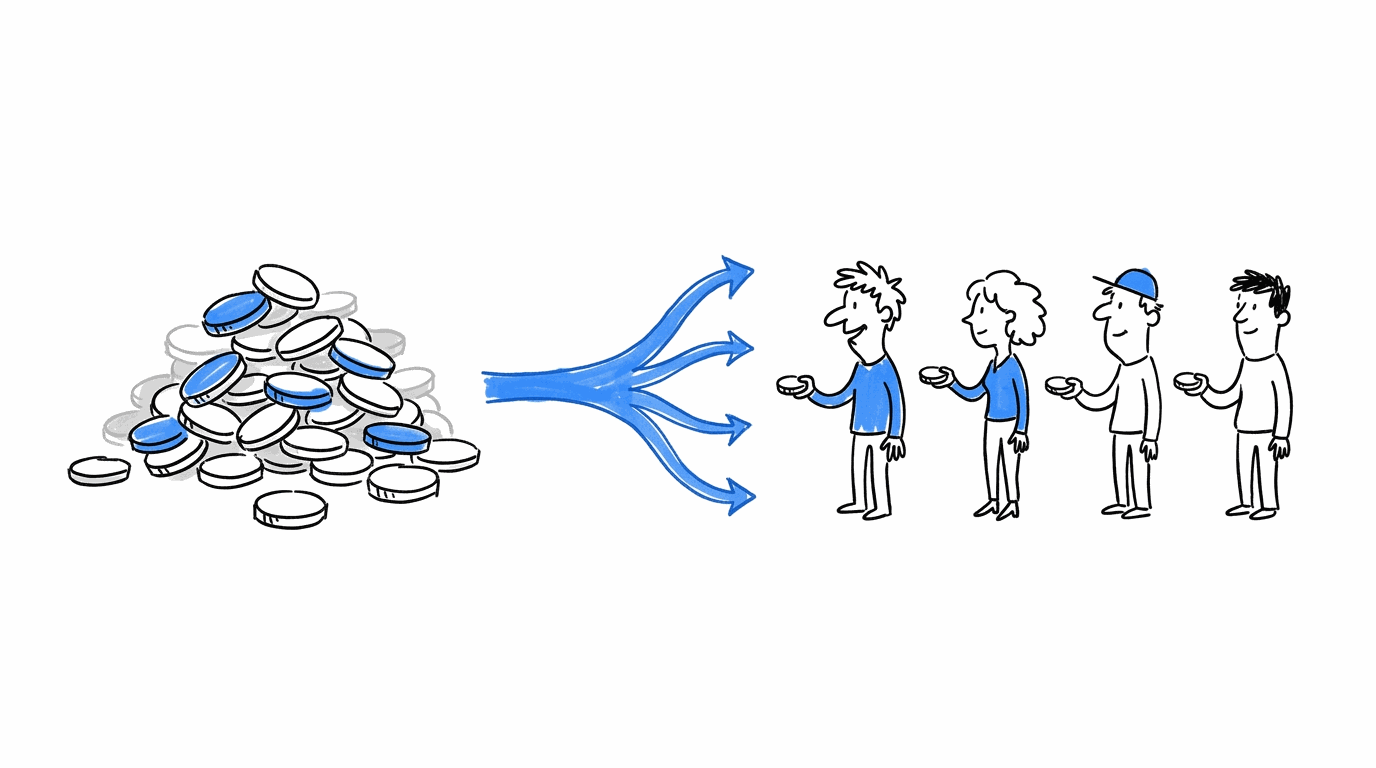
To calculate CPL, divide the total amount spent on a campaign by the number of leads it generated.
When adding up your campaign costs, account for every expense involved, including advertising spend, software subscriptions, and agency fees. For example, if you spend $2,500 and collect 50 leads, your CPL comes to $50.
It’s also worth keeping an eye on your cost per qualified lead. To calculate this, divide your total campaign cost by the number of leads your sales team considers a good fit. This gives you a clearer picture of how much you’re spending to attract potential customers who are more likely to buy. Since qualified leads have a closer connection to revenue, this figure helps you understand whether a lower CPL is bringing in better business opportunities.
12 Proven Ways To Reduce Cost Per Lead
Alright, let’s get into the tactics.
Just a quick note on them, we arranged them so each “group” covers different parts of your lead generation process. The first three focus on audience targeting, while tactics 4 to 8 look at what visitors experience after clicking your ads. The remaining four cover your ad placements, timing, and how quickly you respond to potential leads.
1. Work Out What A Lead Really Costs You (The Math Behind A $6 Lead)
Before you change anything, put a number on where you stand today. Add up the full cost of the campaign, divide by leads, and then divide again by the leads that sales accepted.
The second division is where surprises show up. A Singapore clinic, as reported by LeadSync, got leads from Facebook lead ads at $6 each, but only 2% of them turned into appointments. That works out to $300 per appointment. Their landing page leads cost more per lead and came to $106 per appointment. So the $6 lead produced the more expensive appointment, and nobody would have seen that by looking at CPL alone.
Tracking also sits behind the 57% CPL reduction that the agency Uplead reported for Talentsoft. When Uplead took over the account, the conversion rate was 0.96% and the client wanted a better way to track each lead and conversion.
With CROLabs, conversion tracking and analytics and heatmaps show you what visitors do after the click, which gives you the second half of the picture.
Know What's Happening After Every Click
Your CPL figures tell you how much you're spending, but visitor behaviour explains where your landing pages lose potential leads. CROLabs combines analytics and heatmaps to help you spot drop-off points and identify pages that need attention.
2. Use Negative Keywords (An Hour With The Search Terms Report)
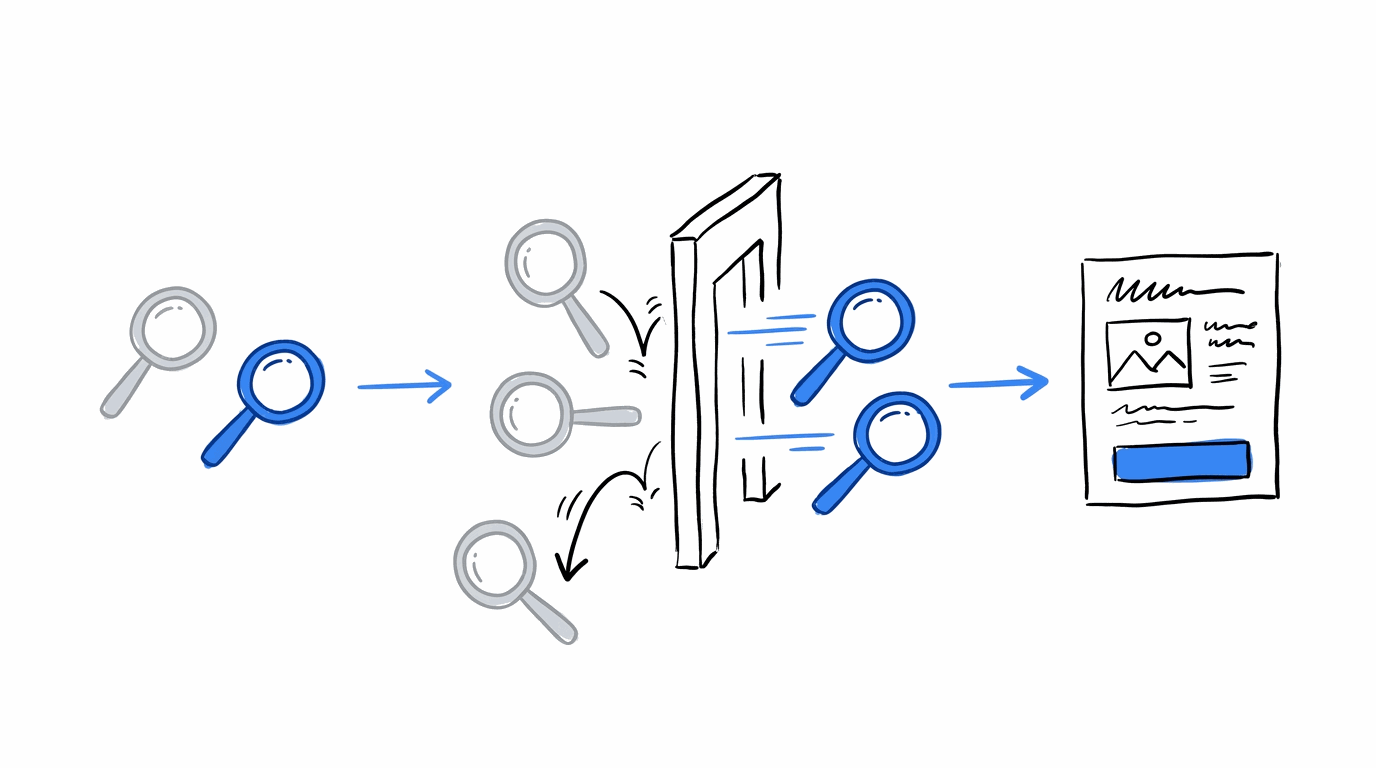
When someone searches “how to fix a leaking pipe” and your ad for emergency plumbing shows up, you pay for a click from a person who wants a tutorial. The search terms report in Google Ads lists every query that triggered your ads, so you can find those clicks and block them.
Two campaigns show what this looks like in practice:
- A Winnipeg electrician: The company takes on high-end, complicated projects, so the agency FirstRank added negative keywords like “cheap,” “low cost,” and “reviews.” Along with pausing, adding, and rewriting other keywords and ads, this brought in 241 leads at an average of $32.20 each, for $7,760 total. At the old CPL, the same leads would have cost $31,300.
- An HVAC company on Reddit: A practitioner on Reddit described spending $15,000 a month on Google Ads with CPL creeping up to $180. Prospeo reports that adding hundreds of negative keywords like “how to,” “DIY,” and “best way to” brought it down to $105 in about three weeks.
Set a weekly hour for this. New queries show up all the time, and each one that spends money without producing a lead becomes another term to block.
3. Target High-Intent Keywords, Services, And Locations
Broad targeting brings a lot of clicks, and a fair share of them come from people who are only browsing. High-intent keywords sit closer to a purchase, such as “emergency roof repair near me” compared with “roof types.”
A story published by the lead generation provider 99calls follows a Denver landscaper who was paying $110 per lead from shared leads. After he moved to a campaign built around his top-performing services and neighborhoods, his CPL fell to $42. Keep in mind that this comes from a company that sells leads, so treat it as one data point and check your own numbers.
To find your own high-intent terms, look at which keywords and services produced your closed deals in the past, and give those the biggest share of budget.
4. Make Your Landing Page Match The Ad (Message Match)
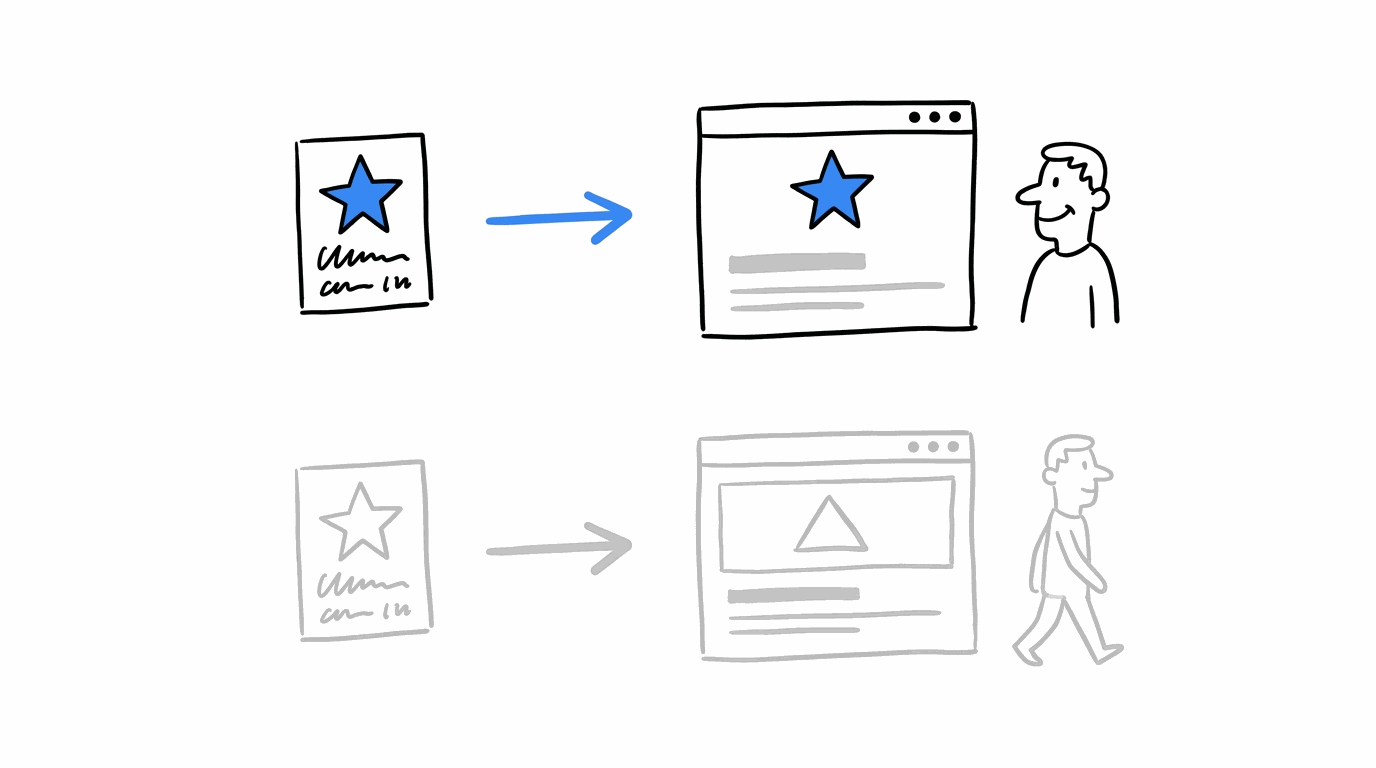
When an ad promises one thing and the page opens with something else, visitors leave and you still pay for the click. Message match means the headline, offer, and call to action on the page mirror what the ad said.
Three examples back this up:
- A case study by Disruptive Advertising, published on Moz and summarized by Webtonic, reported a 212.74% increase in conversion rate and a 69.39% decrease in cost per conversion after message match was fixed.
- For the consulting firm DOOR3, Apexure credits a shift from generic consulting language to a specific outcome claim, tied to the PPC keywords, as a major factor in cutting CPL from $2,300 to $550.
- A Massachusetts agency, NL Softworks, published results from a client campaign in which a precisely matched page got leads at $44 while a broader approach to the same audience cost $249 per lead. It’s a self-reported press release, so read it as a single campaign.
Building a separate page for every keyword is a lot of work. CROLabs’ Ad-to-Page Personalization matches pages to ads for you, so a visitor who clicked on one promise sees that promise reflected when the page loads.
Give Every Ad Click a Relevant Landing Page
When visitors see a landing page that matches the ad they clicked, they can move towards your offer with less friction. CROLabs' Ad-to-Page Personalization helps you adapt landing page content to different campaigns and audience segments.
5. Send Each Campaign To Its Own Landing Page
Sending paid traffic to a homepage asks visitors to figure out where to go next. A dedicated page has one offer and one next step, which makes the decision easier.
Unbounce reports that Shopify paired its optimized Facebook campaigns with dedicated landing pages and saw a 10x drop in cost per lead.
The Visual Editor in CROLabs lets you edit page elements without code, so spinning up a variation for a new campaign takes less time. If you’re working on this now, our guide on boosting landing page conversion rate covers what to put on those pages.
6. Shorten Your Lead Form
Every field is a small task. When you ask for a company size, a revenue range, and a phone number, some visitors decide the form takes too long and leave.
In a case study from Imaginary Landscape, a contact form went from 11 fields to 4. The conversion rate rose from 5.4% to 11.9%, which is a 120% increase, and form submissions went up 160%. The company also found that the fields it removed had no effect on the quality of the conversions. The test is from 2008 and ran for two months on each form, so run your own version before you copy it.
A higher conversion rate lowers CPL directly, since the same ad spend now produces more leads. If your sales team needs more information, a post-click experience that asks for it after the first step keeps the opening form short.
7. Rewrite Your Call To Action
The words on your button tell visitors what happens next. “Request a Demo” sounds like a conversation with a salesperson, and that’s a bigger commitment for someone who is still looking around.
SaaS Hero describes a test in which the company FORM changed its CTA from “Request a Demo” to “Take a Tour.” PPC conversions rose by 33%, and CPL in its account-based marketing campaigns dropped by nearly 50%.
Since the right wording depends on your audience, this one belongs in an experiment. An A/B test splits your traffic between the two versions so the visitors decide.
Make Landing Page Changes Without Waiting on Developers
Testing a shorter form, changing a headline, or adjusting a button can involve several rounds of development work. CROLabs' Visual Editor lets you modify landing page elements without writing code, making it easier to prepare and test different versions of your pages.
8. Raise Your Quality Score
Google rewards ads that are relevant to the search and to the page behind them with a higher Quality Score, and a higher score lowers what you pay per click. Cheaper clicks lower CPL as long as the conversion rate holds.
According to a Moz analysis of more than 2,000 AdWords accounts, as cited by Webtonic, each one-point increase in Quality Score reduces cost per conversion by 13%.
The steps that raise it are the ones already on this list. Tight ad groups, ad copy that uses the searcher’s words, and a page that delivers on the ad all feed into the score.
9. Bid By Location And Time Of Day
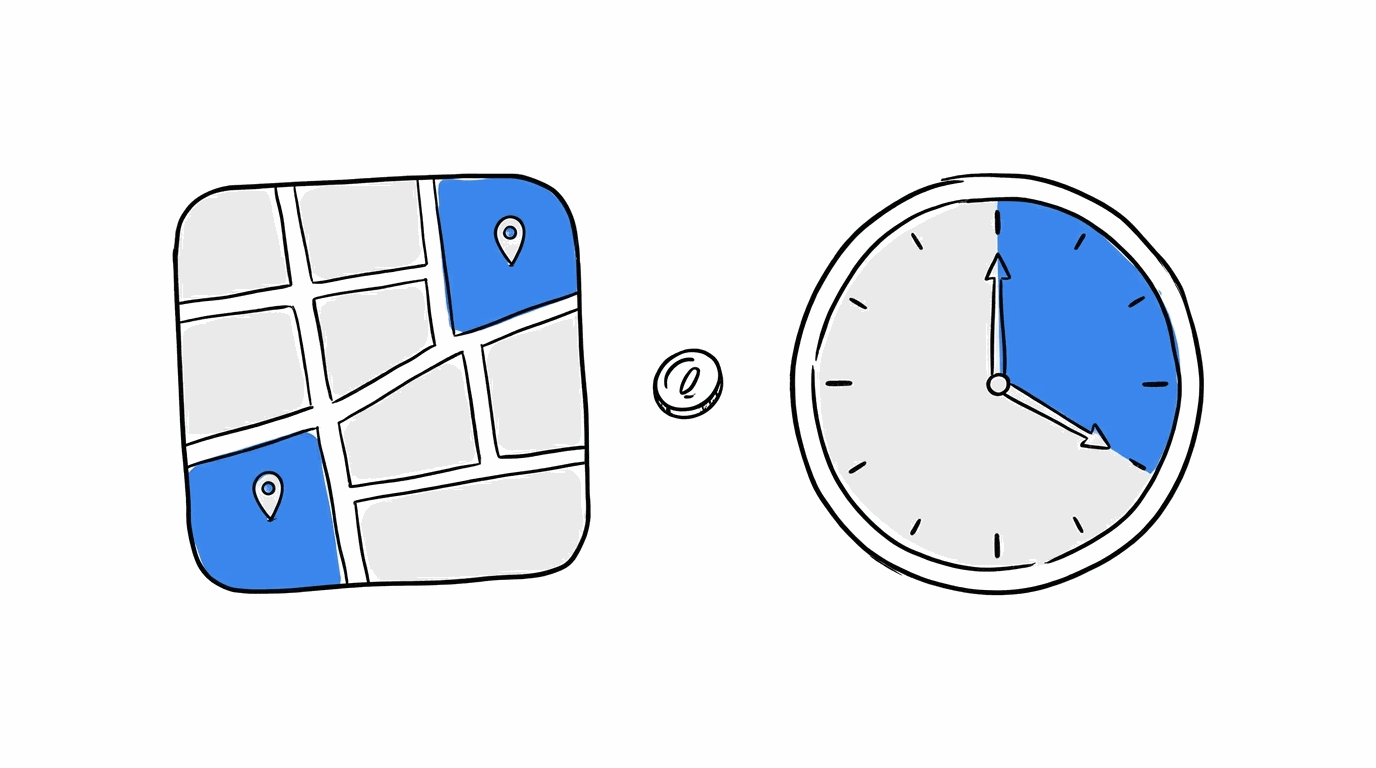
Not every area and hour produces the same quality of lead. If you serve one city, ads that appear in another one produce leads you can’t help.
The agency Best PPC Firm describes a law firm that narrowed its targeting to the Phoenix metro and applied zip-code-level bid adjustments. CPL dropped 38%, and the lead-to-case conversion rate doubled because every lead was local. The same article recommends ad scheduling to remove low-value hours.
To set this up, open your campaign’s location and schedule reports and look for the places and hours with spend and no leads. Lower your bids there, or turn them off.
10. Pick The Right Lead Format On Meta
Facebook and Instagram let you collect leads inside the app with an instant form or send people to your own page. Instant forms have less friction, so they tend to convert at a higher rate.
A WordStream study found lead ads converting at 12.54% against 10.47% for landing pages, though the cost per action was higher for lead ads at $17.98 against $13.26. The study dates from 2019, so check it against your own account.
The right choice depends on what you measure. If you count raw leads, instant forms look strong. If you count qualified leads, as the clinic in way 1 did, the landing page can come out ahead. Meta’s “higher intent” form type adds a review step before submission, which gives you a way to test the middle ground.
11. Follow Up Within Minutes
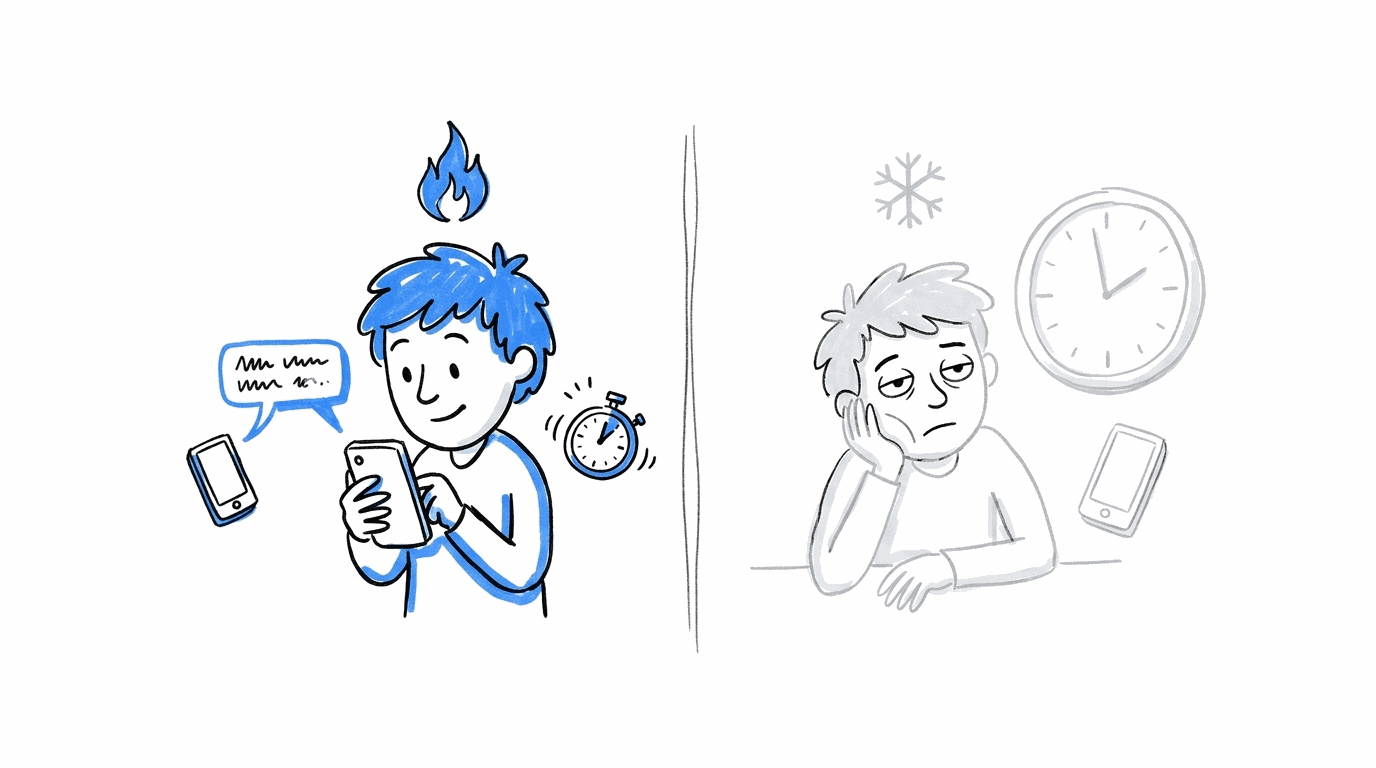
A lead that gets a reply while the interest is fresh has a better chance of becoming a customer, and that raises the value of every lead you paid for. A 2011 Harvard Business Review study, cited by Komo, found that the odds of qualifying a lead drop 80% after the first five minutes.
This one doesn’t have a campaign story behind it, but the logic is simple. If the response takes a day, the ad budget has already been spent on a lead that’s cooling off. Set up an automatic confirmation and an alert for your sales team the moment a form comes in.
12. Test Every Change And Keep A Record
Each of the ways above is an idea until your own data confirms it. A/B testing shows you which version of a headline, form, or button produces more leads, and the results add up. A winning headline raises the baseline, and the next test builds on the new baseline. Our CRO roadmap guide shows how to line these tests up in order.
Two details help here. Give each test enough traffic to reach a clear result, and read how to avoid false positives in A/B tests before you call a winner. If your ads send traffic to several pages, multivariate testing lets you test combinations of elements at once.
Quick Reference
| # | Way to reduce CPL | What it changes | Reported result |
|---|---|---|---|
| 1 | Calculate true CPL and cost per qualified lead | What you measure | $6 lead became $300 per appointment (LeadSync) |
| 2 | Negative keywords | Who sees your ads | $180 to $105 CPL in about three weeks (Prospeo) |
| 3 | High-intent keywords and locations | Who sees your ads | $110 to $42 CPL (99calls) |
| 4 | Message match | Page conversion rate | $2,300 to $550 CPL (Apexure) |
| 5 | Dedicated landing pages | Page conversion rate | 10x drop in CPL (Unbounce) |
| 6 | Shorter forms | Page conversion rate | 120% higher conversion rate (Imaginary Landscape) |
| 7 | CTA rewrite | Page conversion rate | Nearly 50% lower CPL (SaaS Hero) |
| 8 | Quality Score | Cost per click | 13% lower cost per conversion per point (Webtonic) |
| 9 | Location and schedule bids | Who sees your ads | 38% lower CPL (Best PPC Firm) |
| 10 | Lead format on Meta | Friction and lead quality | 12.54% against 10.47% conversion rate (WordStream) |
| 11 | Fast follow-up | Lead value | 80% drop in qualifying odds after five minutes (Komo) |
| 12 | Continuous testing | All of the above | Results compound over time |
Where CROLabs Fits In
Most of the fixes above happen after the click, and that’s the part of the funnel CROLabs was built for. Here’s how its features line up with the list:
- CRO Advisor crawls your site and gives you a prioritized list of what to fix first, which helps with ways 4 to 7.
- A/B Testing and Automated Experimentation handle way 12, and the second one lets AI run tests for you.
- Ad-to-Page Personalization takes care of message match in way 4.
- Visual Editor lets you change headlines, buttons, and forms without code.
- Analytics and Heatmaps show where visitors drop off, so you know which page to work on first.
If you run paid traffic for clients, the agency page covers how teams use CROLabs across accounts, and the B2B SaaS page does the same for software companies. Our conversion rate optimization guide is a good companion if you’re new to the discipline.
Conclusion
Cost per lead drops when you pay for fewer clicks that go nowhere, and when more of the clicks you do pay for turn into leads. The first group of fixes (negative keywords, high-intent targeting, location and schedule bids) handles the clicks. The second group (message match, dedicated pages, shorter forms, better CTAs) handles the conversions. Measuring cost per qualified lead throughout keeps both groups honest.
If you’re picking a place to begin, the search terms report is quick and shows results in weeks, based on the HVAC example above. After that, take the page your ads point to and test one change at a time. You can start a free 14-day trial of CROLabs to run those tests and see where your visitors drop off.
FAQs
Keep learning on the CROLabs blog
Practical guides on A/B testing, personalization and landing page optimization. New articles every week.
Ready for measurable optimization?
Show us one landing page. In 30 minutes we walk you through what CROLabs would test first and what it could mean for your conversion rate.