Updated Oct 2026
You’ve probably seen websites greet you by name or recommend products you clicked on yesterday, but what if the site never knew you at all?
Imagine clicking a link about “Mailchimp alternatives” and landing on a marketing page. The site you clicked on doesn’t know your name or company, yet the content already feels relevant. Maybe it even highlights its email features or case studies of email marketers.
The site simply figures out your intent from context. This is personalization without identity. It uses clues around the visit (source, device, time, etc.) to tailor the experience. In other words, it turns anonymous visits into dynamic, engaging moments.
In this article, we’ll break down how this works and why it matters (especially for CRO).
On This Page
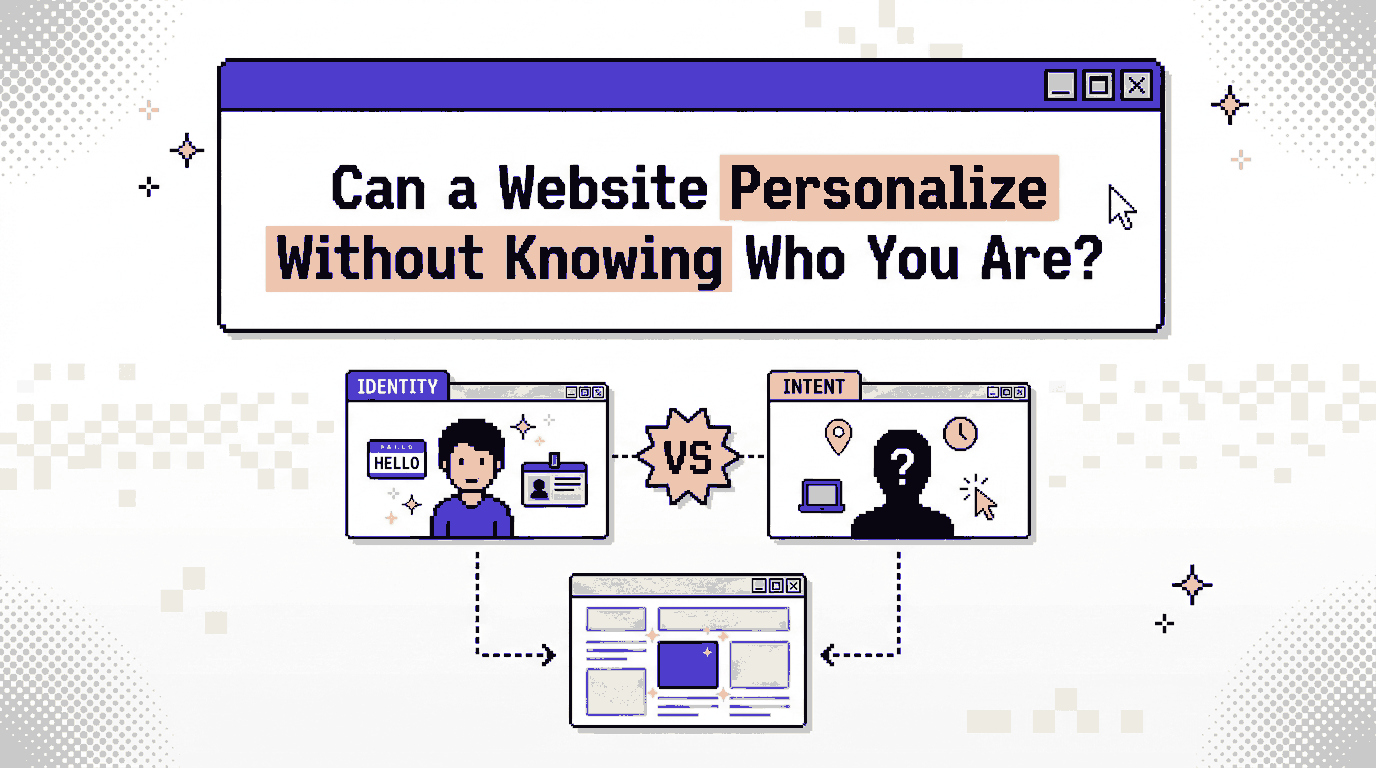
Identity-Based vs Intent-Based Personalization
Traditional personalization relies on knowing who someone is, i.e their name, account, past purchases or profile.
An example of this is when you log in or have a cookie, and the site greets you with “Hi John, thanks for buying X before”. That’s powerful, but it hinges on personal data.
Context-driven personalization, by contrast, doesn’t require a profile. Instead, it leans on why you’re here. Your identity stays private (anonymous), but the site pays attention to your immediate context.

NOTE: Intent-based personalization is a type of context-driven personalization.
Some key differences are:
- Identity-based: Uses personal data (name, email, purchase history, demographic) to change content. Great for returning customers or logged-in users.
- Context-based: Uses session data (referrer URL, campaign source, device, location, time of day, search terms) to guess intent and adjust content. No login needed.
For example, if someone arrives from a blog about “best project management software”, a context-aware site might highlight its own project management case studies. It never asked who you are, it just noticed where you came from.
In both cases the goal is the same: make the visit feel relevant. As one expert puts it, device, geolocation, referrer and similar “contextual signals… let you adapt content to context without needing an identity”.
In practice, most sites use a mix. They personalize by identity when possible, but can still personalize anonymously via intent. The result is often a smoother experience and higher conversions.
In fact, one report found that 84% of customers expect to be treated “like a person, not a number”. Whether or not the site knows your name, it needs to act like it understands you.
Reading Contextual Signals: Clues to Visitor Intent
How does a site know what you want without your name? It watches for contextual clues that imply intent.
Those common clues or signals include:
- Traffic source or referrer: If you clicked from an ad for Mailchimp alternatives or a search for “email marketing tools,” that tells the site you’re shopping for email software.
- Search query or keywords: If you arrived via a search engine query, those keywords reveal your intent (e.g. “best CRM for startups” suggests the visitor is comparing CRM tools).
- Landing page content: The specific page or blog you came from can be a hint. A referral from a blog post about “avoiding hidden fees” hints the visitor cares about pricing transparency.
- Geolocation and language: The visitor’s location (country, city) can tailor language, currency, or local promotions.
- Device type and time: Mobile users might see a streamlined layout; night-time visitors might see a different promo (e.g. late-night deals).
- On-site behavior: Even on the landing page, what you click on or how far you scroll can guide immediate personalization for that session.
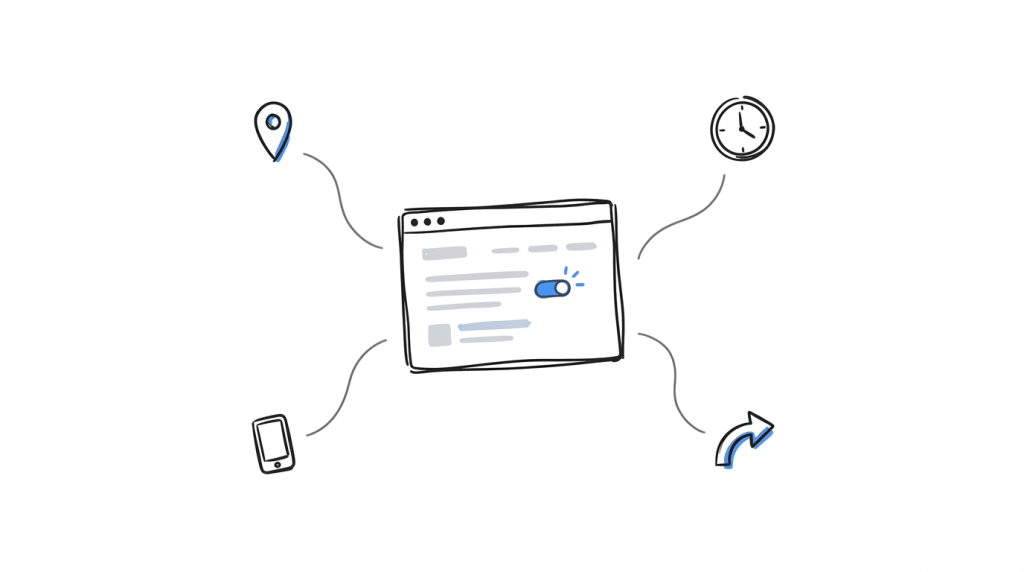
All these are first-party signals the site automatically knows. For instance, Dynamic Yield notes that simply “acknowledging how a user arrived… can inform how to personalize their on-site experience”. If someone clicks an affiliate or ad link, the site might pop up a welcome message or adapt banners to reinforce that message. With Intent-based personalization, every bit of context sharpens the guess about visitor needs.
Even without login data, a visitor isn’t a blank slate. A tech-savvy site treats an anonymous visitor as a new persona defined by current circumstances. This persona could be “prospective customer from campaign X” or “comparison-shopping researcher”. The site can then swap in relevant headlines, images, or calls-to-action based on that persona.
For example, if the referral page was a review of CRO tools, and the page the visitor clicked on was CROLabs, the page might automatically show a headline like “Switch to CROLabs for better CRO campaigns” rather than a generic welcome.
Use traffic source, device, location, behavior, and other contextual signals to show each audience a version of your page that fits what brought them there.
Inferring Intent and Crafting Dynamic Experiences
Figuring out intent is about probability. No context signal is 100% certain, but together they add up. Tools and algorithms (sometimes aided by AI) can score visitors by predicted needs.
For example, a B2B site might note that a visitor came from a page about pricing on a partner’s site, is browsing late in the day from a corporate IP, and clicked the “features” section. This leads it to infer that they’re likely a decision-maker comparing plans. On-the-fly, the site could swap a generic banner for one like “Contact sales for enterprise pricing” or surface testimonials from similar companies.
This doesn’t happen by magic. Under the hood, a personalization engine (like CROLabs’ platform) collects the known signals and matches them to rules or models. This transforms the particular page to a dynamic page.
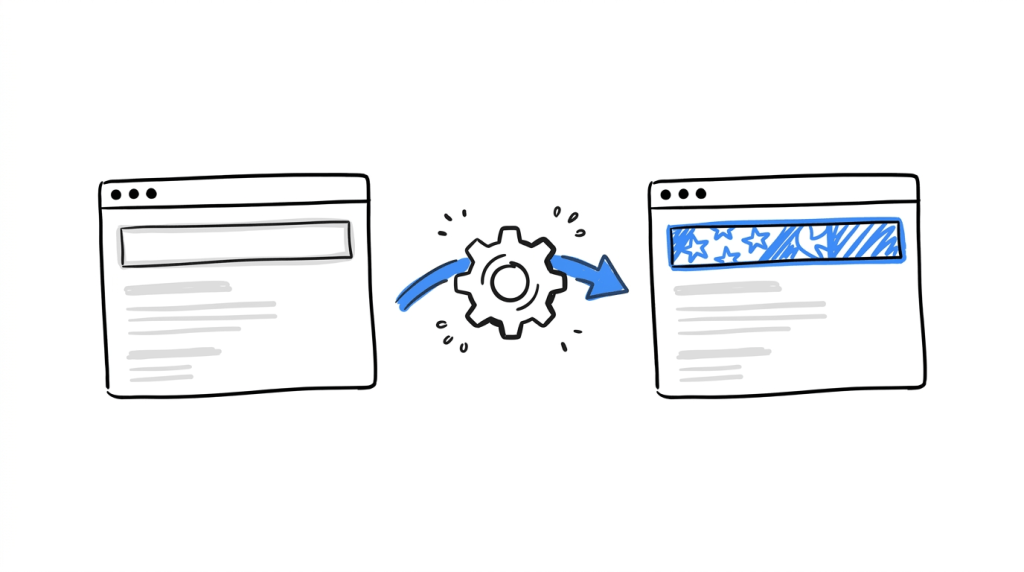
A rule might say: “If referrer URL contains ‘mailchimp-alternatives’, show the ‘See how we beat Mailchimp’ section”. An AI might learn that visitors clicking from a PPC ad for “page speed tool” often sign up, so it tweaks the homepage copy for those visitors. Over time, the system learns which context-driven tweaks lift engagement or conversions.
Critically, since you’re not identified, this is done in-session. The site might use a cookie or session ID to remember that on this visit “context = campaign X”, but once you leave (and if you never log in), that persona is forgotten.
The benefit is twofold because you get a relevant experience today and the site stays GDPR-friendly since it hasn’t stored personal identity (only generalized signals). This also aligns well with privacy trends, many marketers see anonymous personalization as a way to stay engaging without invasive tracking.
Give every visitor a more relevant starting point
CROLabs can recognize your visitors’ intent and adapt your page around them. Then you can test the personalized experience against the original to see whether it actually converts better.
Fresh Examples of Contextual Personalization
Let’s look at some practical scenarios to see how intent-based personalization plays out:
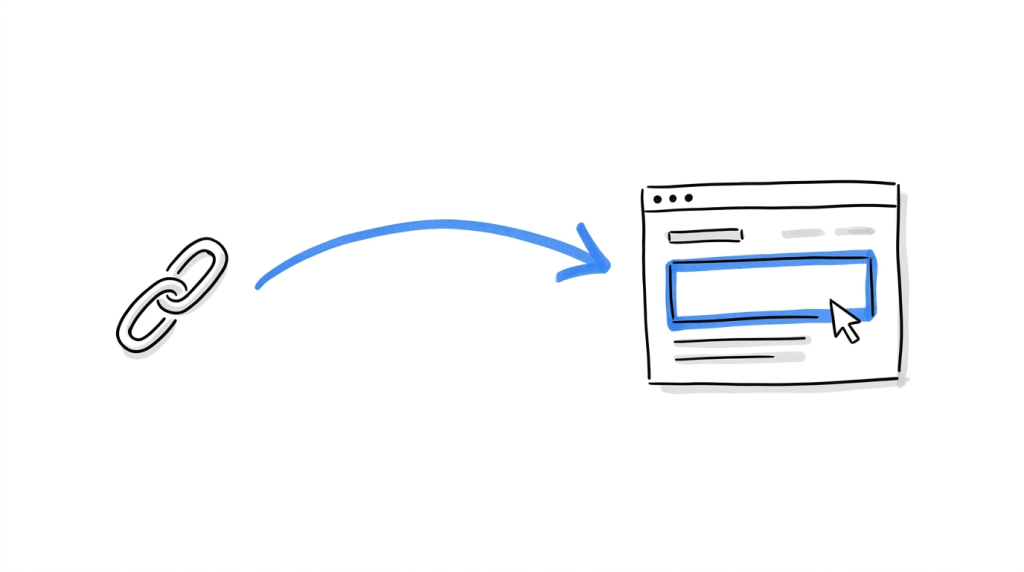
Example 1: Competitor Comparison
A marketing manager reads a blog titled “10 Best Project Management Tools 2026” and clicks through to your product’s site. The homepage immediately highlights a comparison chart or a case study about agile teams (because the user is clearly evaluating tools). Even with no login, the site zeroes in on project management content. This feels personal because it addresses why the visitor came.
Example 2: Seasonal Context
A visitor searches “online holiday gifts” and lands on an ecommerce homepage. Without any name or account info, the site highlights gift guides and banners themed for the holidays. Geolocation confirms it’s the US during December, so it might even countdown shipping deadlines. The visitor feels catered to and no personal data is needed.
Example 3: Industry Relevance
Someone from an IP associated with a tech firm arrives on a SaaS site’s demo page. The site changes its default language from “Our Enterprise Plan” to “Tech Startup Plan” because it infers the visitor works at a technology company. It might add a testimonial from a similar tech client. Again, the guess is context-based: company domain and location.
Example 4: Content Engagement
A user clicks a newsletter link about “increasing email open rates” and lands on a SaaS blog. The sidebar dynamically changes to suggest your email marketing features and a free report on open rates, instead of the generic latest posts. The signals: referral content topic and the fact they clicked a particular campaign link.
These examples show that even without names, a site can greet visitors in a meaningful way. The key is matching on context (campaigns, referrers, content topics) and treating that as a proxy for intent. As one platform puts it, “if a user clicks on an ad and arrives on a specific page, acknowledging where they’ve arrived from can inform how to personalize”. In short: every visit has context, and every context has intent to tap.
Benefits & Best Practices: Privacy, CRO, and Conversion
Why bother with anonymity-based personalization? Well, there are several wins:
- Broader Reach: Not every visitor is logged in or known. Contextual personalization lets you treat first-time and anonymous users as potential customers rather than faceless clicks. This is crucial because studies show anonymous visitors are rising thanks to privacy shifts. It captures value where otherwise you’d leave those visitors behind.
- Privacy-Friendly: With stricter data laws (GDPR, CCPA), relying less on personal data is smart. Using context signals means less personal data storage. You still deliver relevance without storing a user’s profile or PII. This builds trust and compliance.
- Faster Insights and Testing: Since context-based personalization often uses in-session data, it can be set up with fewer integrations. You can A/B test contextual variations just like any experiment. CROLabs’ CRO tools, for instance, let you quickly spin up tests for different traffic sources or referrers without a developer.
- Continuous Optimization: Every personalized experience teaches something. Did highlighting pricing to visitors from a competitor ad boost sign-ups? If so, lean into that. If not, try another approach. The iterative nature (from test to learn to personalize) ties directly into CRO. In fact, personalization by context can improve conversion rates, making each visitor count more. Fewer visitors in your funnel? Personalization helps squeeze more leads out of each one.
Of course, there are pitfalls to avoid. Context can sometimes mislead (e.g. multiple interests from one referrer), so keep tests running.
Don’t assume, say, that everyone from a college.edu address is a student (but you might guess). Always measure impact (clicks, form fills) to ensure the personalizations help rather than hurt.
Also remember, overpersonalization with guesses can annoy if wrong (e.g. showing a product that’s irrelevant to the actual need). The balance is critical, which is why quality signals and testing matter.
CROLabs and Intent-Driven Personalization
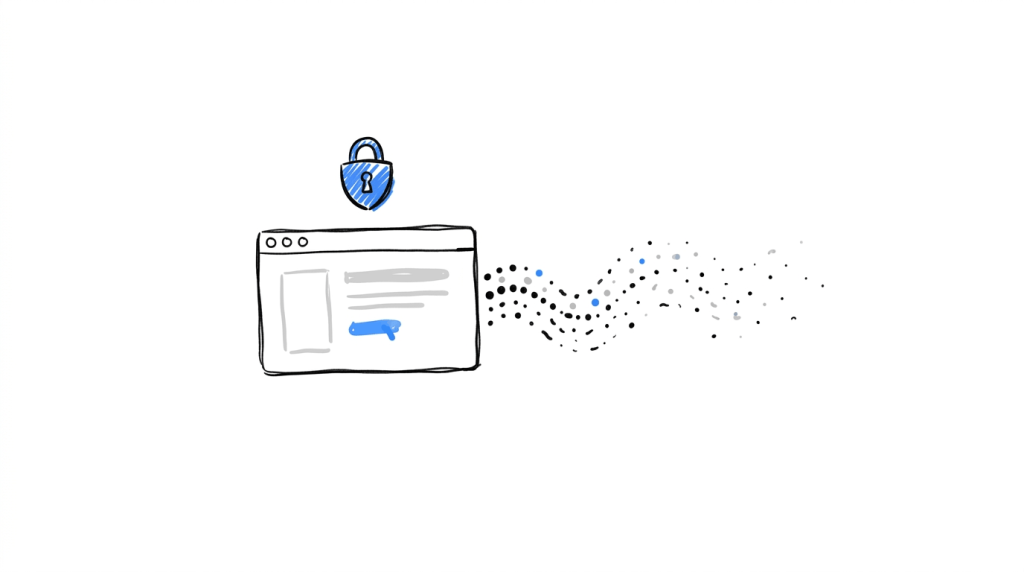
Platforms like CROLabs are built for this kind of personalization. CROLabs offers features (e.g. Audience Personalization and Ad-to-Page Personalization) that let you define rules or use AI to swap content based on visitor context.
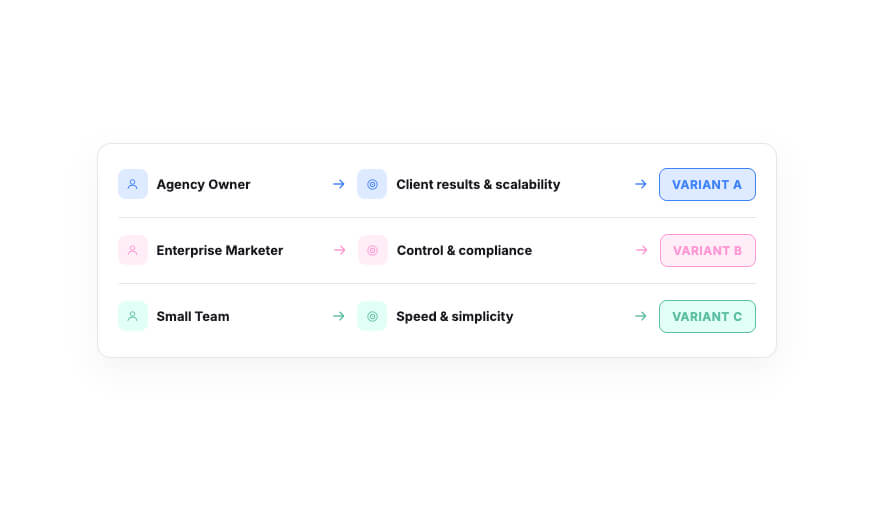
For example, you could set a rule: “If a visitor comes from our Google Ads campaign Email Tools, show them a hero banner about email automation”. No login is required for this, it simply reads the UTM or referrer and changes the page.
CROLabs also provides analytics to see which segments convert. So you might discover that visitors from one industry or referral channel convert 30% higher when shown a custom message. You can then double down on that by personalizing those segments more.
In practice, we see CROLabs’ customers adapting copy, images, or CTAs for audiences defined by context (like traffic source, geolocation, or session behavior). The platform even validates fixes, prioritizing the biggest wins through its AI Advisor. In essence, CROLabs turns the anonymous sessions into insightful data, helping you serve up the right experience at the right time, even for strangers.
Conclusion
A website doesn’t need your name to make you feel known. By using contextual signals from the very first click, businesses can infer what anonymous visitors want and tailor the experience accordingly.
This intent-based personalization works in harmony with identity-based methods. It’s fast, privacy-aligned, and can give conversion rates a real lift. For CROLabs users, it’s another lever to push: set up smart targeting based on referrers, searches, or behavior, and watch your engagement rise.
In the end, treating every visitor like a person (even when their name is unknown) is the future of personalization. The strategy is simply to know the context, guess the need, and serve the solution.
Your website already has the context. Put it to work.
Connect your traffic sources, define the audiences that matter, and let CROLabs build and test personalized experiences around what visitors are looking for. Start free and see what your website could show different visitors.
FAQs
How can a site personalize if it doesn’t know me?
It relies on context. Things like the link you clicked, your location, device, or time of visit give clues. The site matches those clues to relevant content. For example, arriving from an email-marketing ad might trigger an “email automation” promo banner, without ever asking your name.
Is this really personalization if I’m anonymous?
Yes. Personalization means tailoring content to user needs. Those needs can come from identity data or context data. Anonymous personalization treats your session like a new persona defined by immediate intent rather than past data. You still get a unique experience, it just wasn’t tied to your profile.
Does context-based personalization violate privacy laws?
Generally no, because it uses first-party data about your session, not personal data like name or email. You’re not being tracked across sites. In fact, it’s often more privacy-friendly. Sites should still ensure they comply with cookies and disclosure rules, but in-session personalization is usually compliant and even helps with GDPR concerns.
Can this replace traditional personalization?
It’s complementary. Contextual (intent-driven) personalization works best alongside identity-based methods. For example, a returning logged-in user might get even more refined personalization. But for all new or anonymous visitors, context-based rules ensure nobody sees a generic one-size-fits-all page.
Are there tools to implement this?
Yes. Platforms like CROLabs allow you to set rules or use AI to adjust pages based on signals (like referrer, UTM tags, device, etc.). They can also A/B test these variations. Even basic analytics tools (Google Analytics, heatmaps) can suggest where visitors drop off, pointing to contexts that need personalization.